
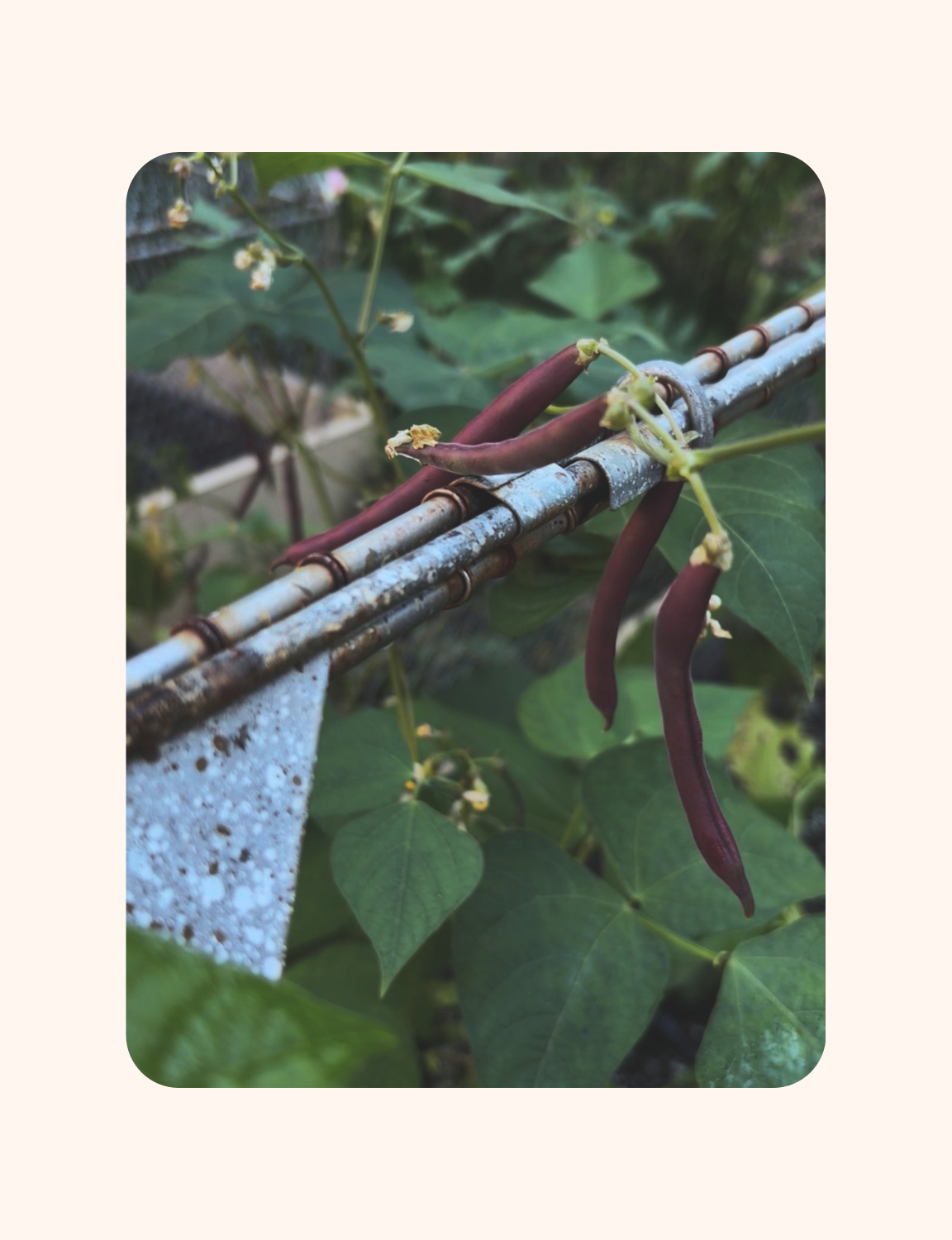
10 Things I learned in the Garden this Season.
After chatting it through with the garden, here’s what we learned this year and what we plan to do differently to get more beauty and more productivity
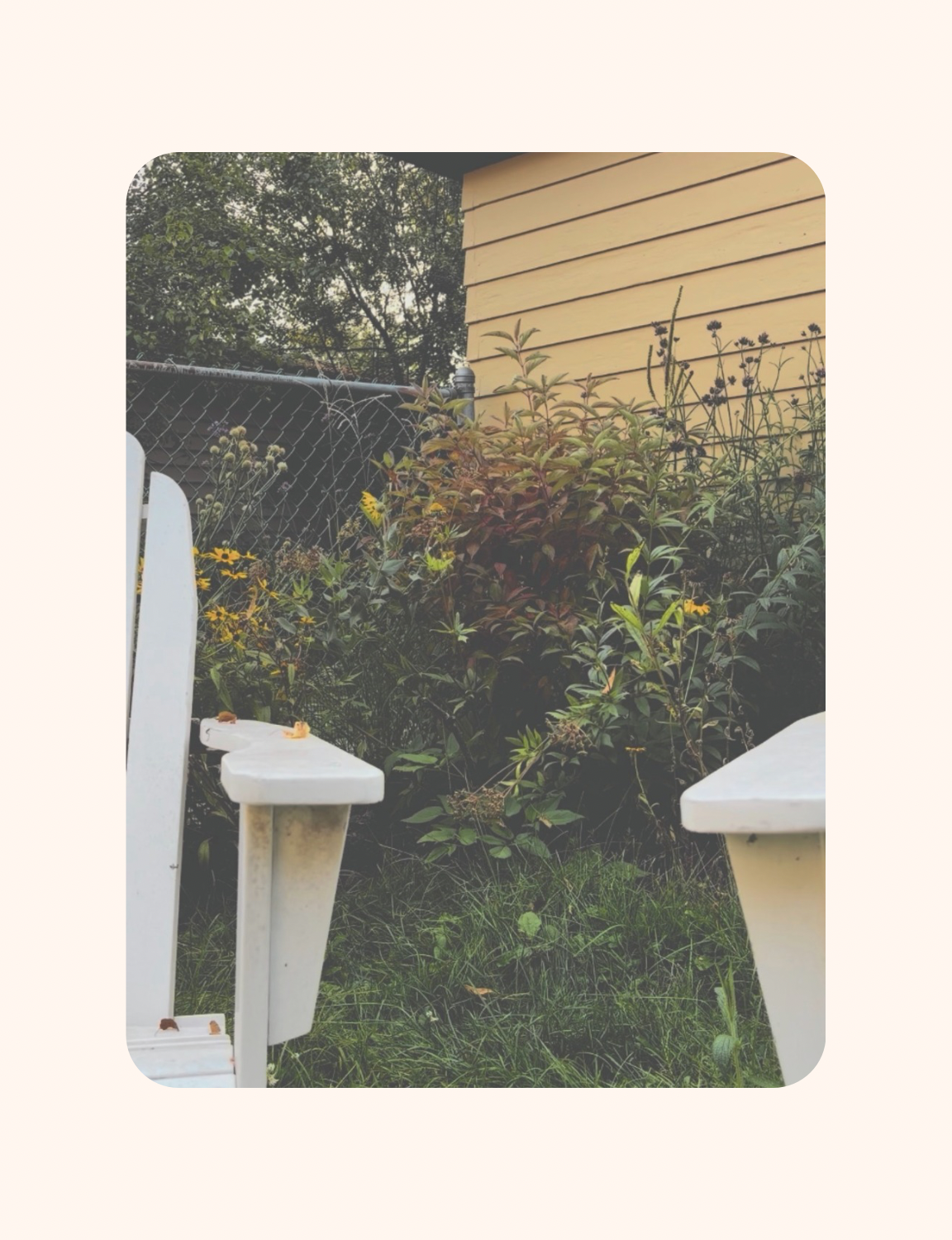
A case for boring plants
The shrub I needed would be assigned the delicate job of both joining and reining in the surrounding chaos. In D&D psychology, I think “Neutral Good” would best describe it.
Pierre said it would be the Marius Pontmercy of the garden. When I told him I had no idea what that meant, I received an impressive eye roll. I was sure they’d go all the way around.
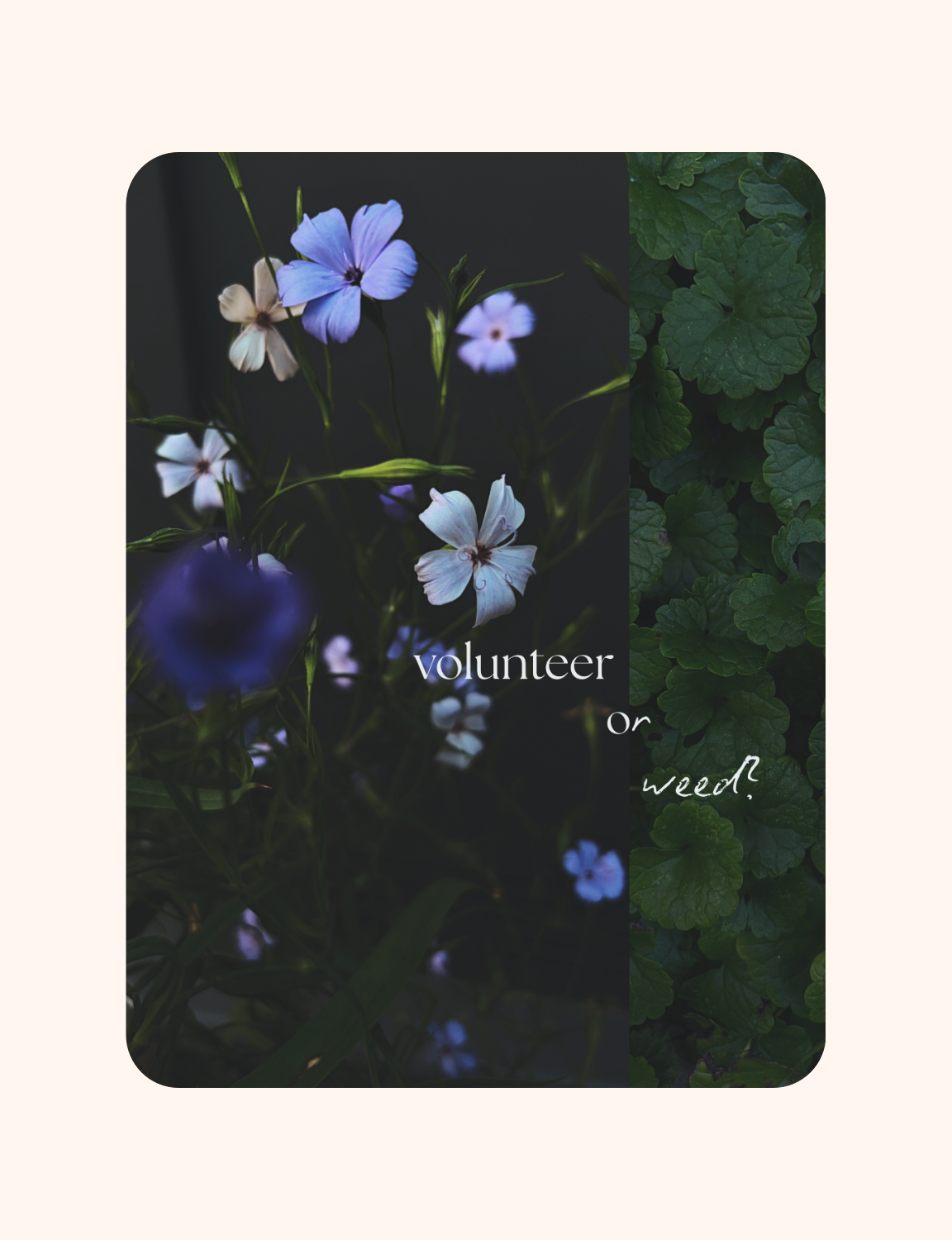
Volunteer or Weed?
There’s a thin and fickle line between ‘volunteer’ and ‘weed.’ It’s defined by - and only makes sense to - the gardener.
Old Problem. New project.
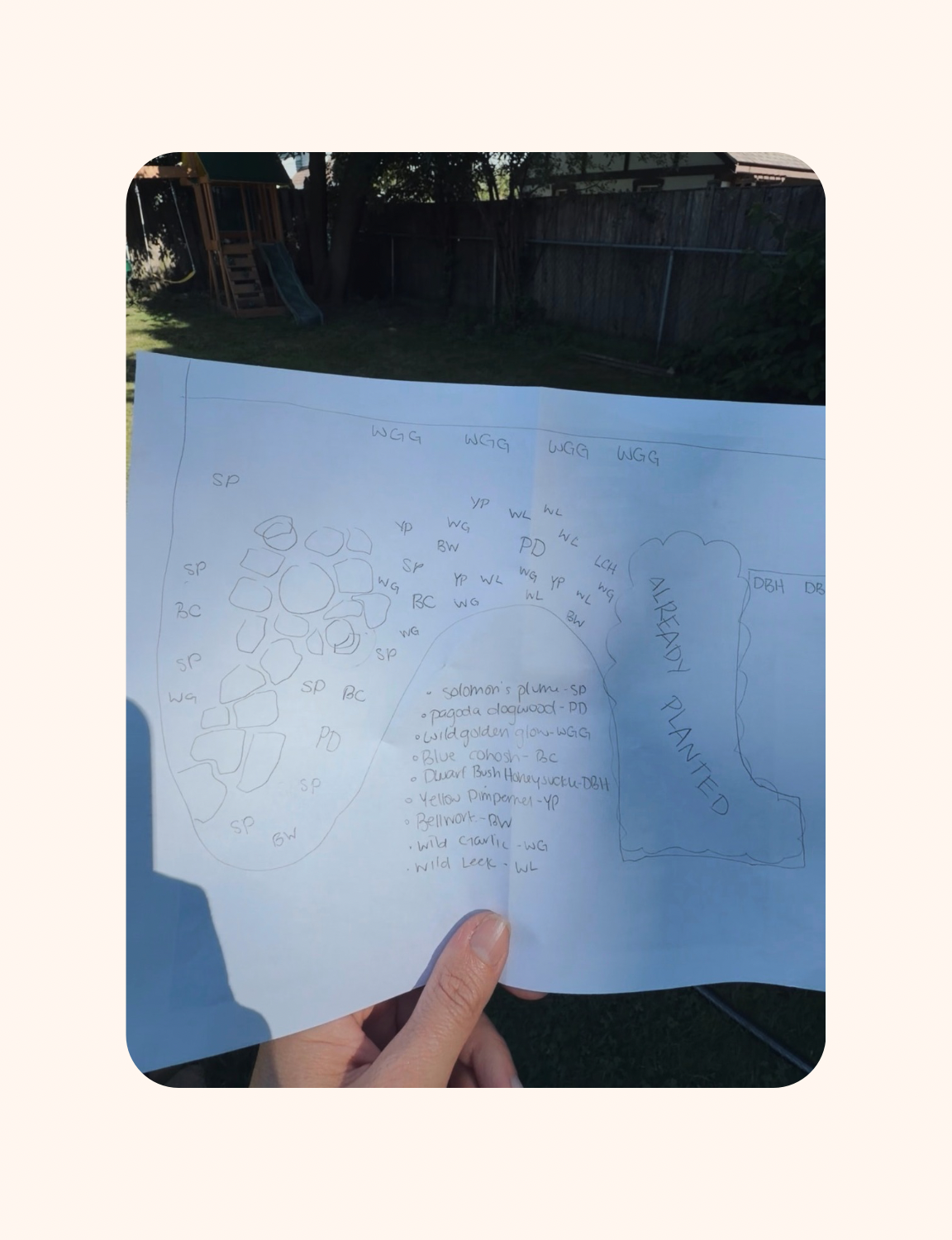
Every time it rains heavily, we rediscover that the backyard floods in a certain spot. One half of my relationship said we needed to install a drainage system. My question to that was always, “but where would it drain?”
I, an expert* on rain gardens, thought a planting scheme was in order.
I’d be dead at the Little House on the Prairie.
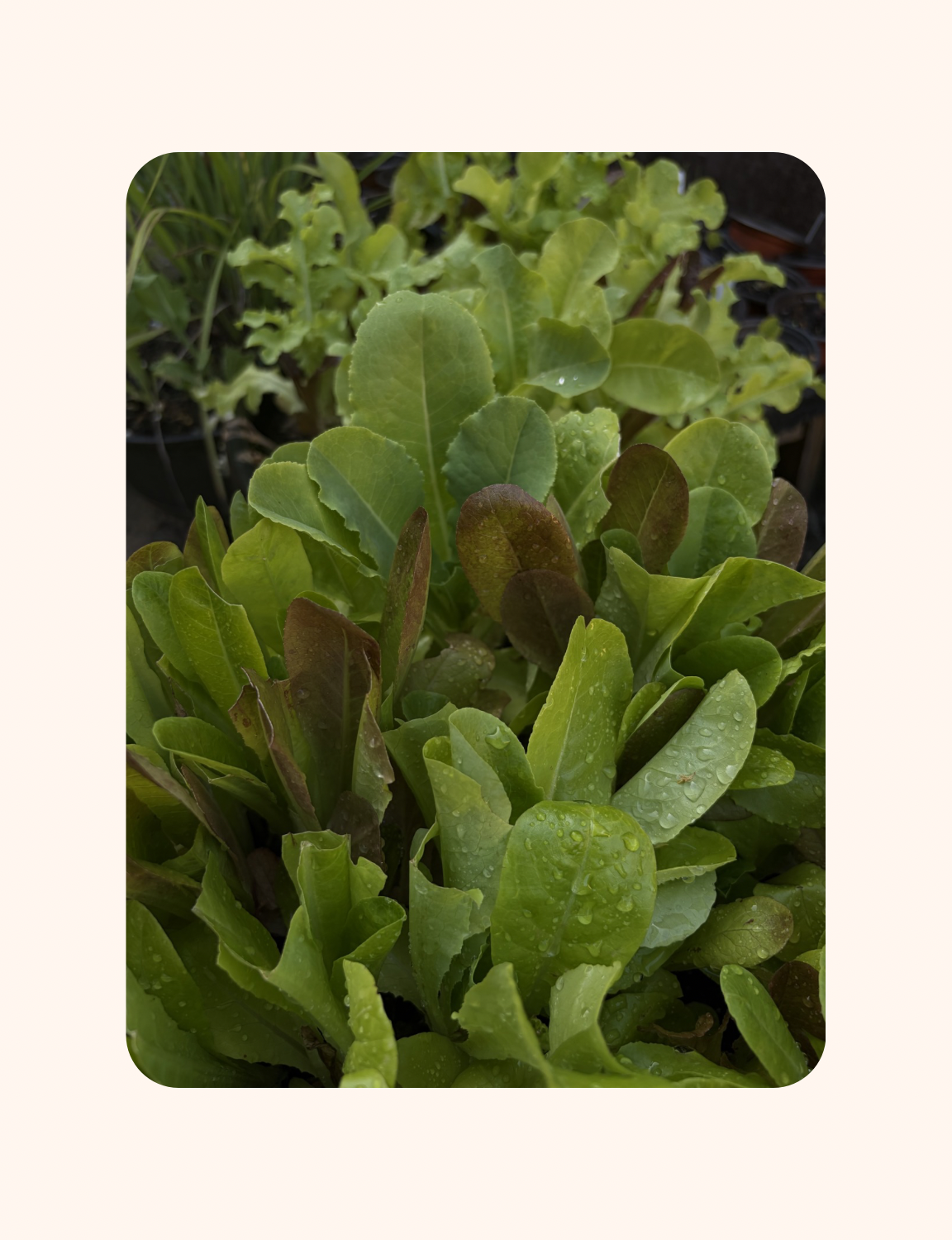
I had big plans for my kitchen garden. I even made an extensive spreadsheet and shared it on my blog. Don’t try to find it. After everything I’ve already learned this season, it needs hella revisions.
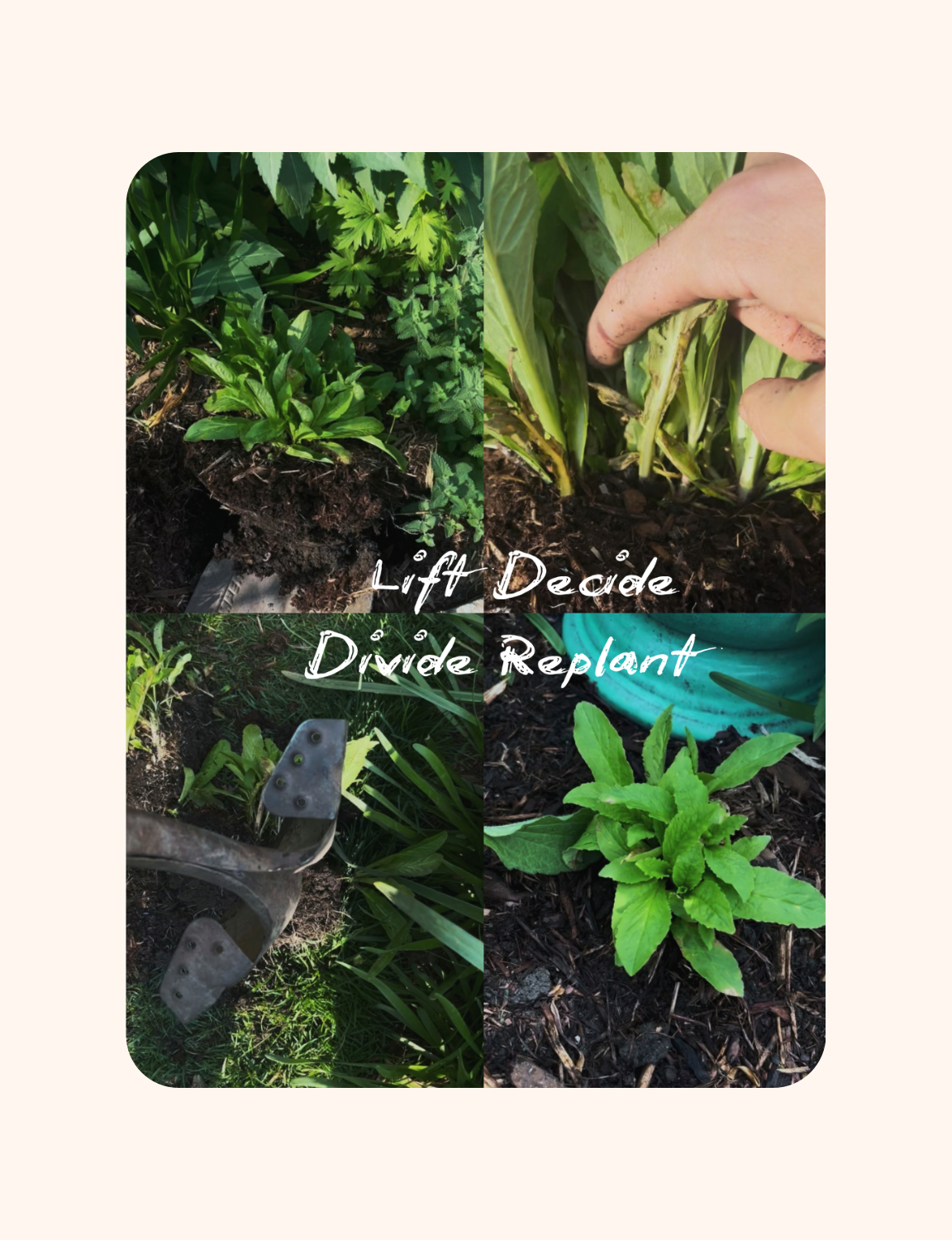
An Anxious Beginner’s Guide to Free Plants
Me, as a creep: (opens trench coat) psssssst! Free plants?
They’ll do well in your garden! Guaranteed. And I bet you’ll like them, since you already have them…Whatdoyasay?
You, nervous: Suuuuure
Also me, but normal: Great! Because…
We’re Dividing Plants! (Don’t run away!)
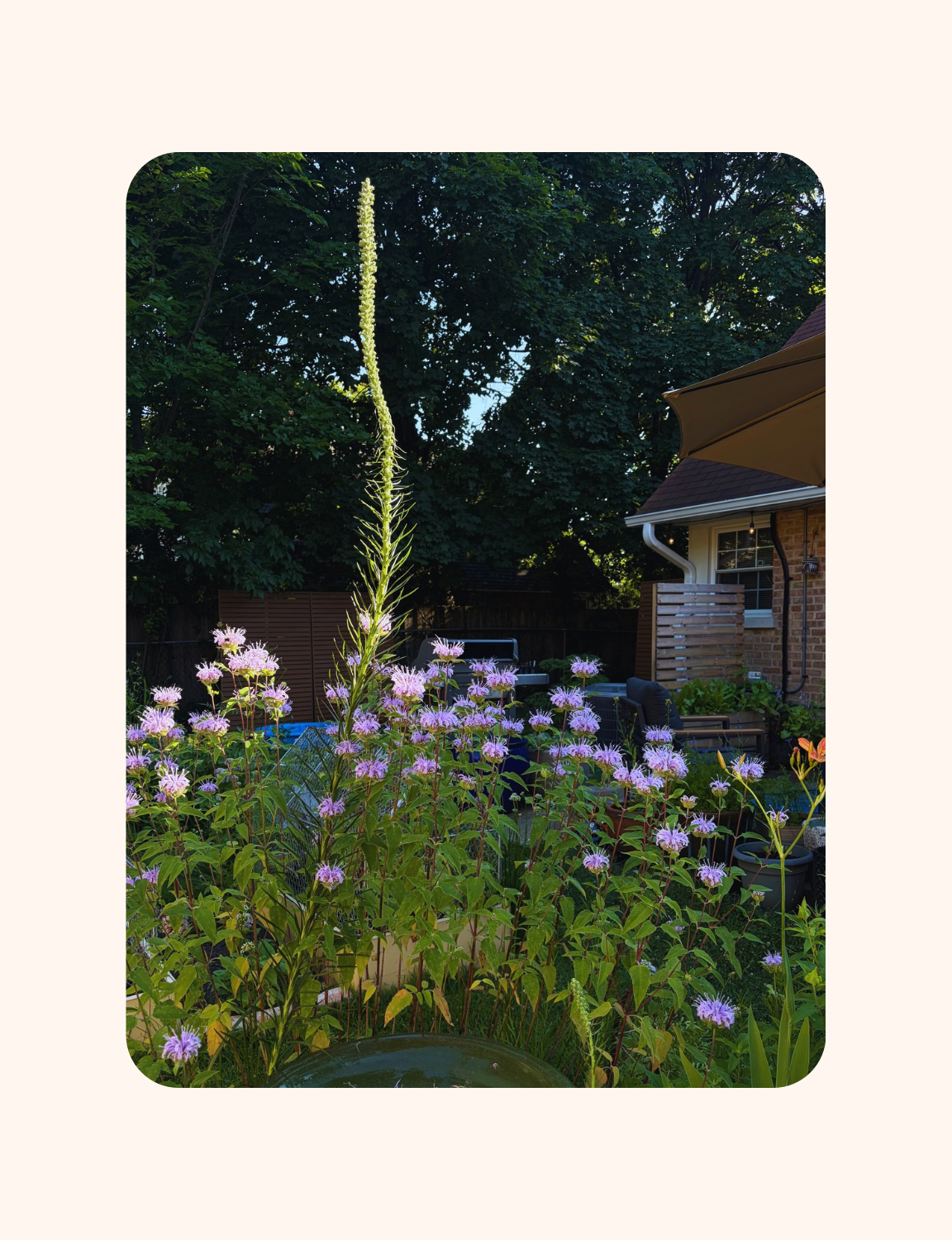
How to Garden Your Own Way
Gardening can feel like it’s being gate-kept by all sorts of rules, expectations, and judgments. This is intimidating and enough to turn anyone off. The good news is that's mostly bullshit.
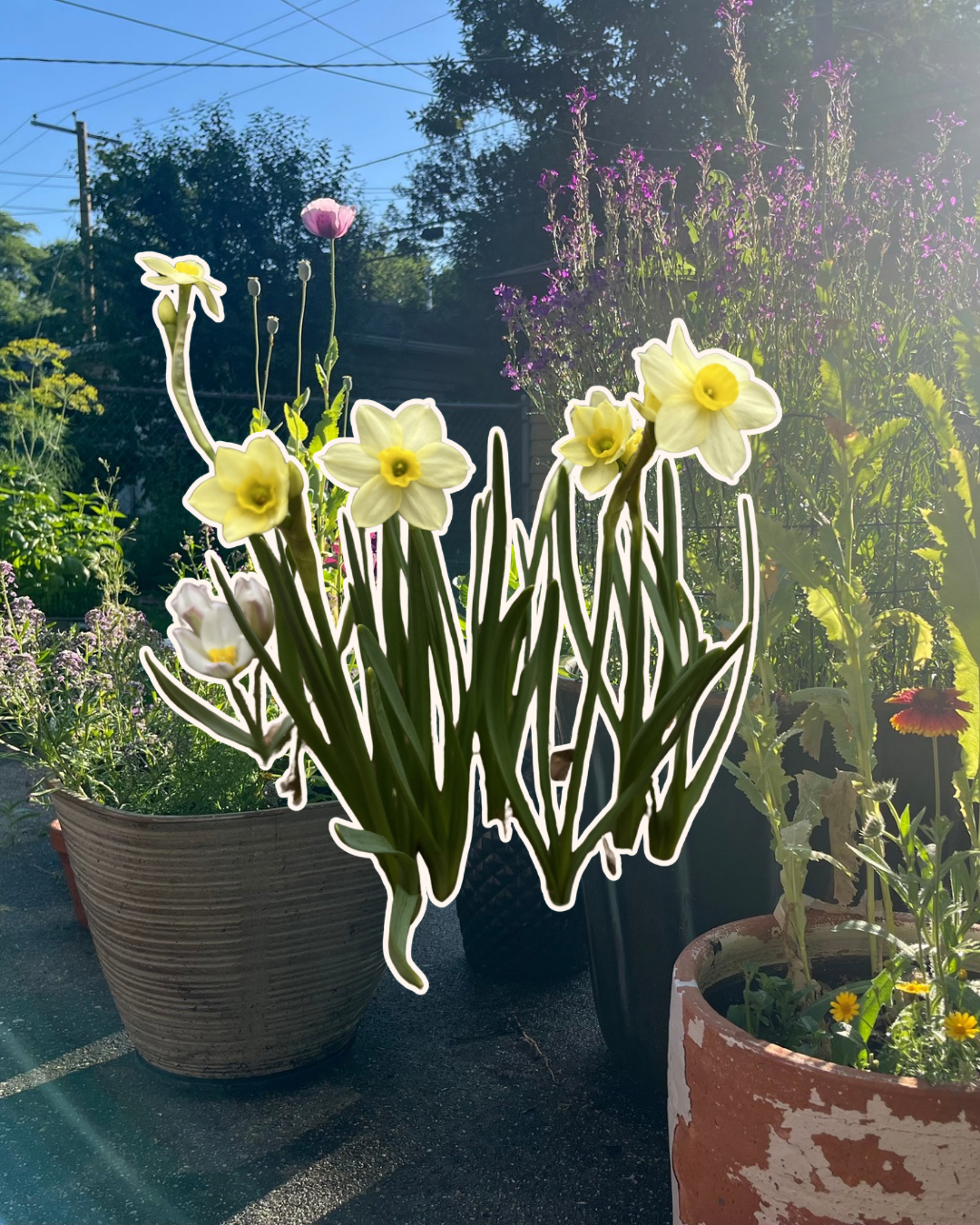
You’re not bad at gardening…
You’ve been told what plants to buy. When they failed, it was “I don’t have a green thumb.” When it should have been, “Maybe this plant doesn’t fit my conditions.”
Or maybe you bought high maintenance plants (hey there, roses) that you didn’t have time to care for. Instead of a whimsical haven, you got an overgrown death pit.
Solution? Start out with some easy plants, ones that aren’t picky.

Stratifying Seeds: Part II
This is a follow-up to Seed Stratification: Part I - which helped out those of us who were feeling ambitious and/or caged in over January or February, even early March. In our desperation, we made gardening happen by stratifying perennial seeds. Unfortunately, it only took 20 minutes, so then we were sad again.
But now it’s April, any remaining sadness can be tucked away for next winter. It’s time (perhaps past time) to take those stratified seeds out of the fridge. Your significant other can finally stop taking out the yogurt container and being audibly disappointed that it's not actually yogurt. Little does he know that it contains a little something of the future.
Happy New Year, Gardeners!
January? Shmanuary! March is the real new beginning for us cold zone gardeners. Here at The Middle Garden, we’re in Chicago (brrrr).
There are many things gardeners are supposed to do and say. For example, we’re supposed to wait a year before planting in a new space (never do). We’re also supposed to say that winter is for planning, resting, and recovering.
But I’m quite sure that’s just a desperate explanation for the lack of satisfying activities in a cold winter garden. If winter were a plant, it would be a weed. Sure, planning has its merits, just as many weeds do. It’s not unexciting to figure out projects for the upcoming year, or order seeds, or stratify certain seeds. But then we’re left with… just waiting, I guess.
Seed Sowing 102
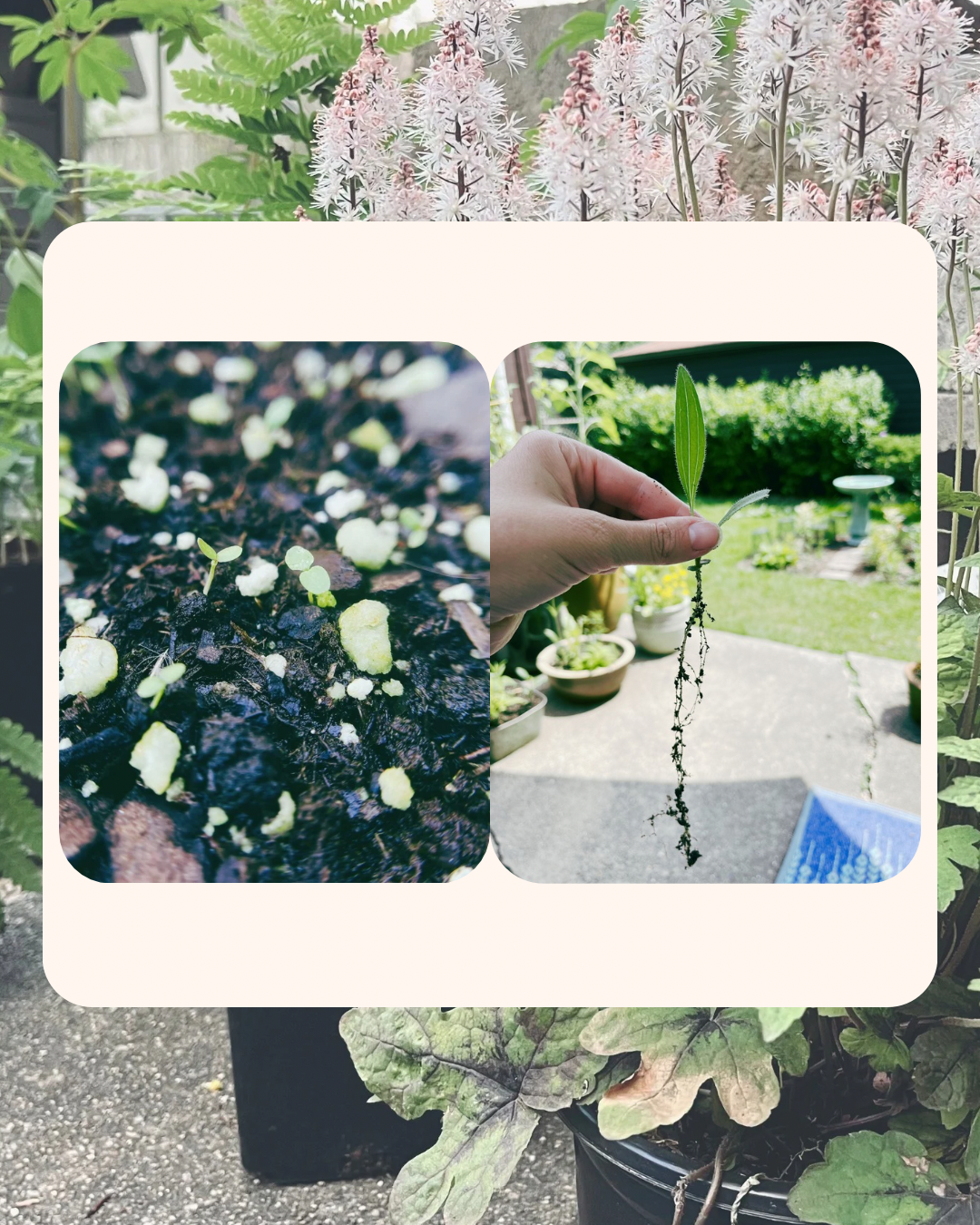
I love this approach for several reasons. One big one is germination rate. Not every seed sprouts, and when you sow seeds in trays (rather than individual cells), any seed that wants to grow has the chance to do so. Seeds that fail don’t waste soil, pots, or space.
March Garden To-Do List
It’s fiiiiiiiiiiine.
Did mid-March just smack all of us gardeners upside the face with an onslaught of time-sensitive garden tasks?
Maybe.
Do we have about 482 other things to do, too?
Sure.
Plant Feature: Snowdrops (Galanthus)
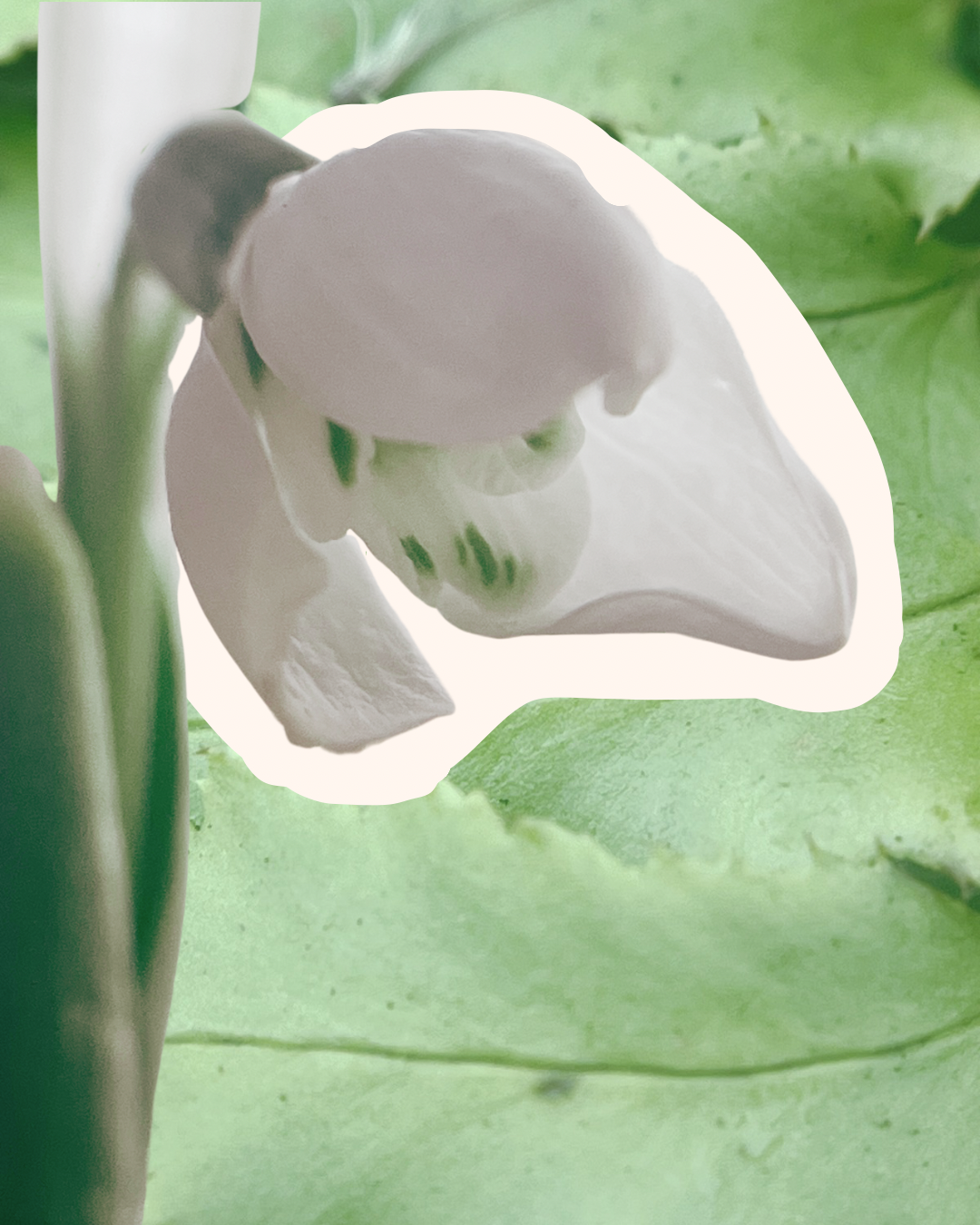
My Grinch heart broke the heart-o-meter when I saw the first snowdrop pop up yesterday. Then a few more appeared. And then there was peace on earth. They’re still standing, too, miraculously uneaten by rabbits.

It’s February! Here’s Your Garden To Do List for Zones 6 and Below..
Ummmm…Stock up on supplies? Soil, mulch, compost, seed trays; garden centers are quiet this time of year, which means no crowds!
Toward the end of the month, start crawling around the garden with a magnifying lens, searching for the signs of life. (optional)
Plant Spotlight: Spotted Bee Balm (monarda punctata)
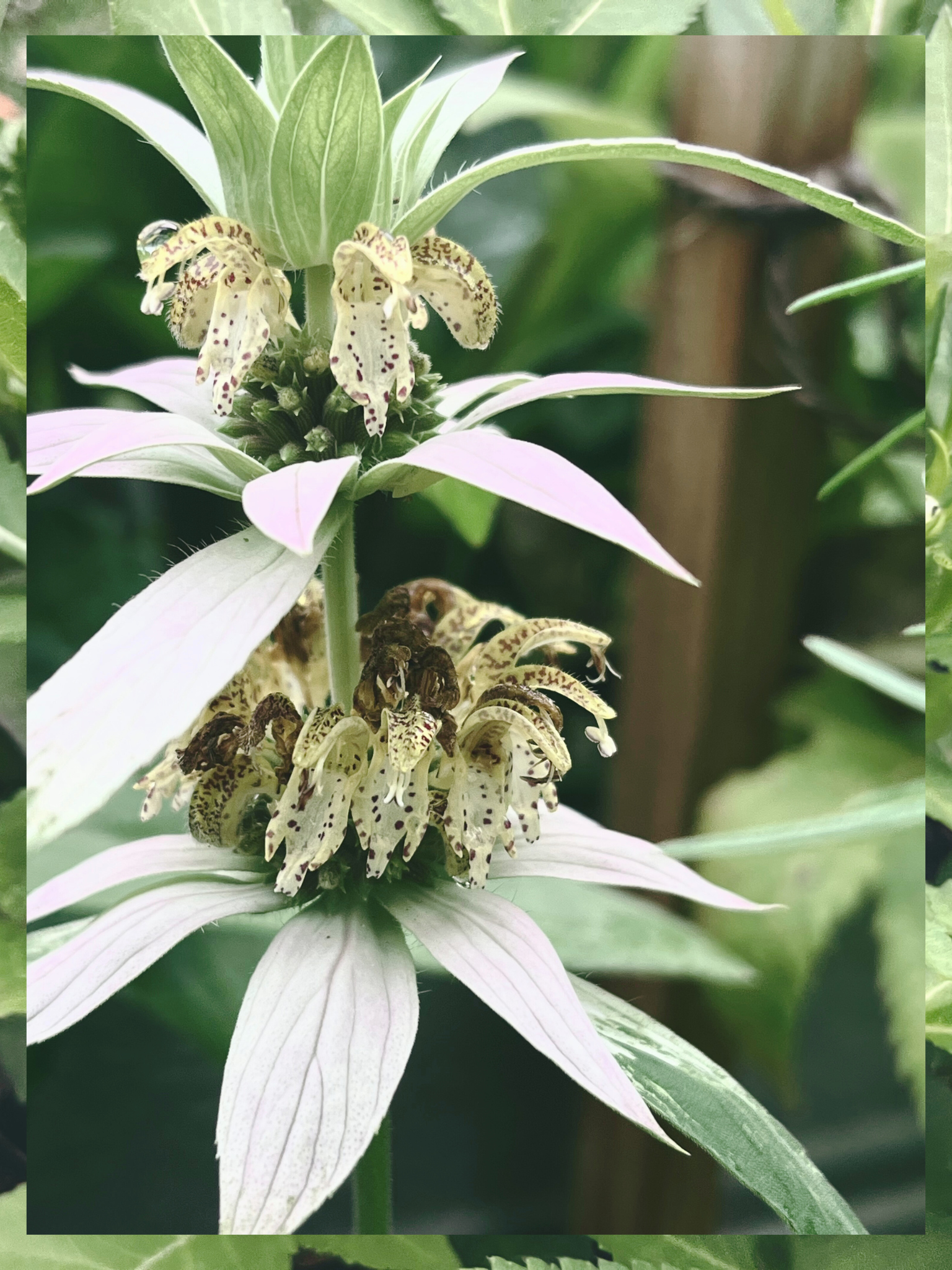
There’s surely a botanical reason spotted bee balm lives in the Monarda (bee balm) family. It has those open-mouthed flowers that, clustered together, resemble a chorus of overenthusiastic carol singers. Honeysuckle and some salvias share a similar flower shape, but they live in entirely different plant families
Plant Spotlight: Cosmos (Cosmos Bipinnatus)
Hi, Cosmos.
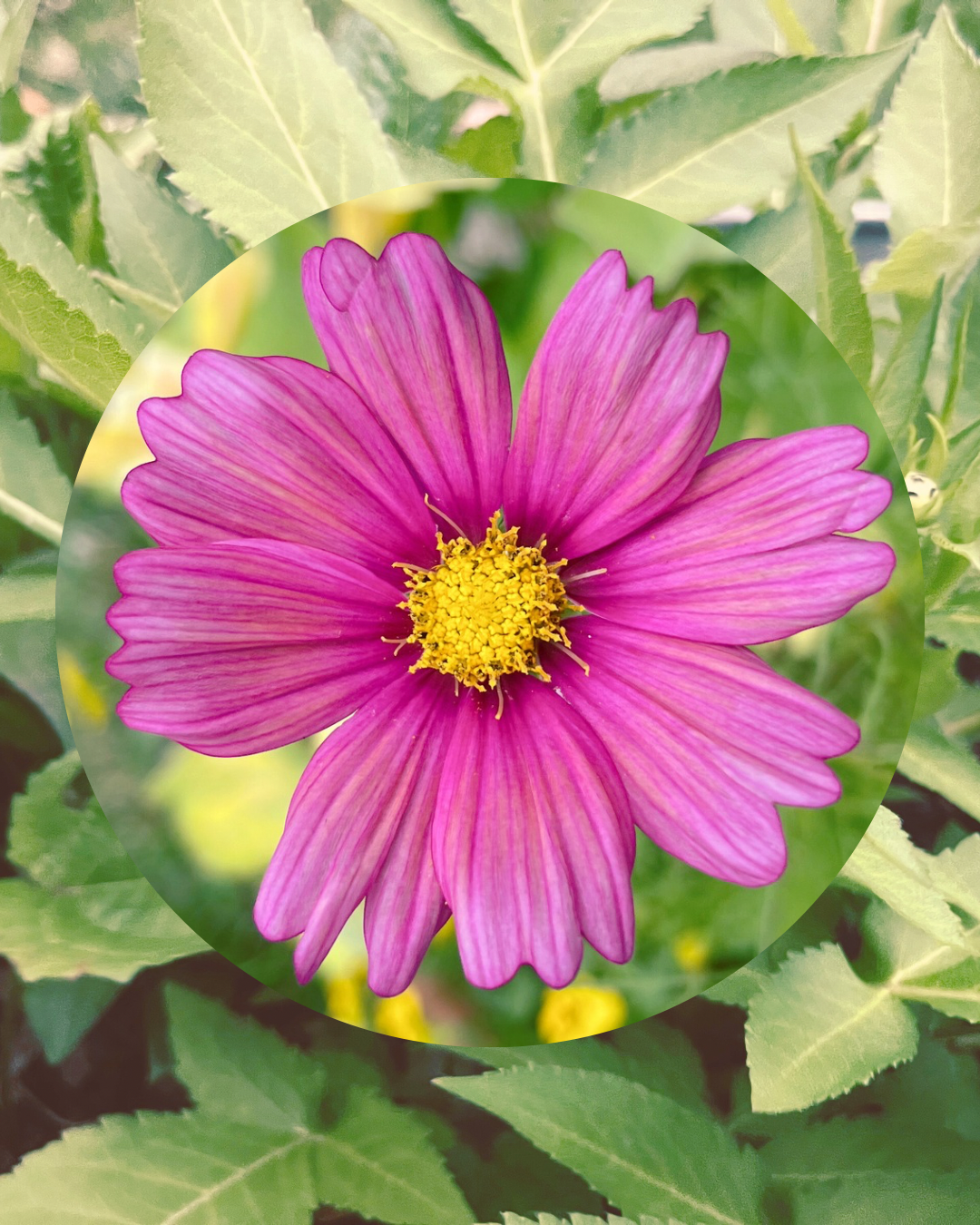
I’m Ellen. It’s not that I’m obsessed with you. It’s just that I want to cut off your heads and put them on display in my home for all my visitors to see.
It’s not just me, either. Gardeners and floral enthusiasts everywhere feel this way. And I think it’s because you’ve landed squarely in the sweet spot in the Venn diagram of bold, lovely, and stalwart.
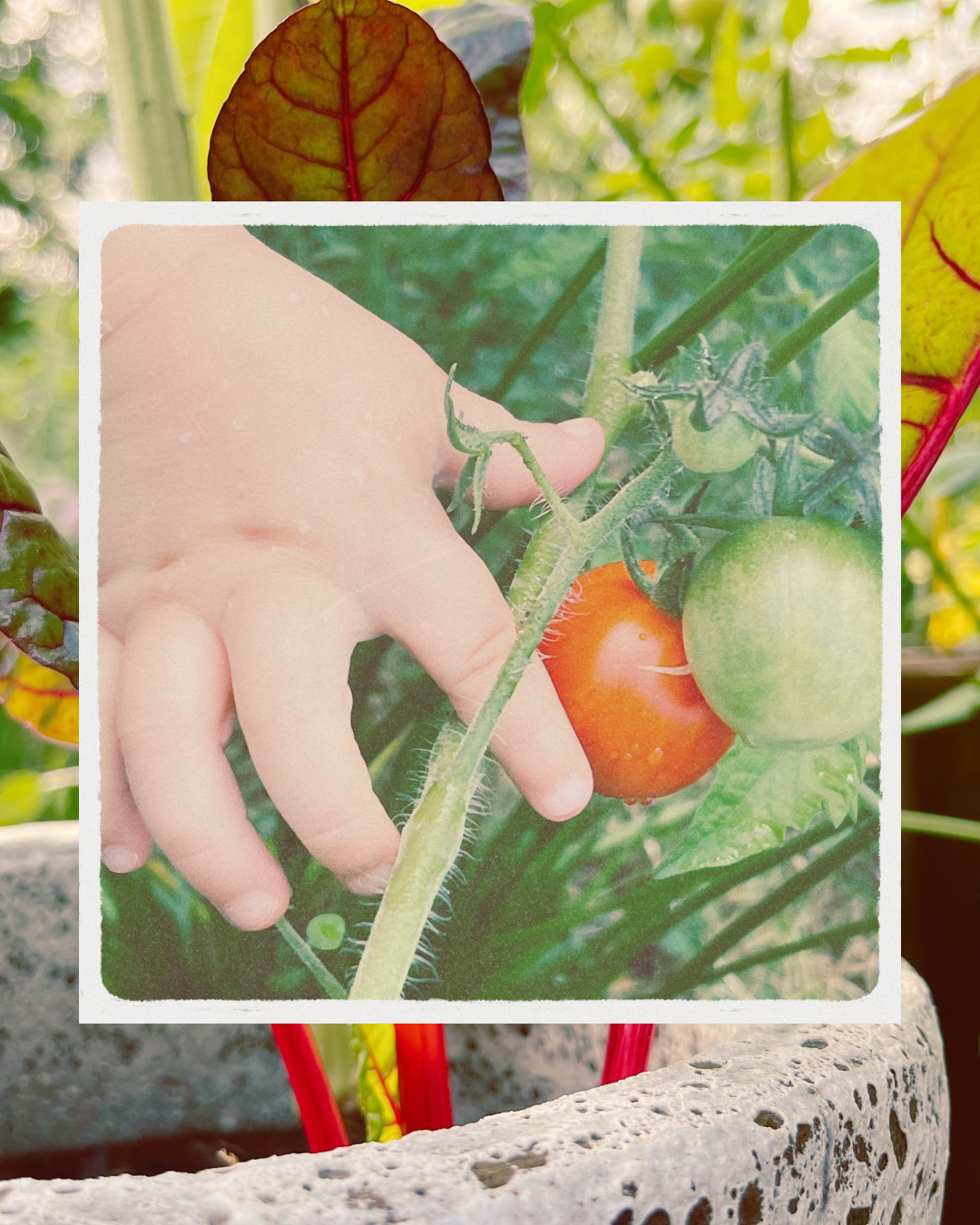
The 2026 Patio Garden Plan: Edibles!
The next year’s theme typically comes to me as an epiphany when the current year’s growing season comes to an end. I kept waiting for the 2026 patio garden inspiration to strike. I thought another musical theme would hit but “Mellow Yellow’ and "Yellow Submarine” just weren’t doing it for me.
So finally I said, “fuck it, I’m doing an edible patio garden.”
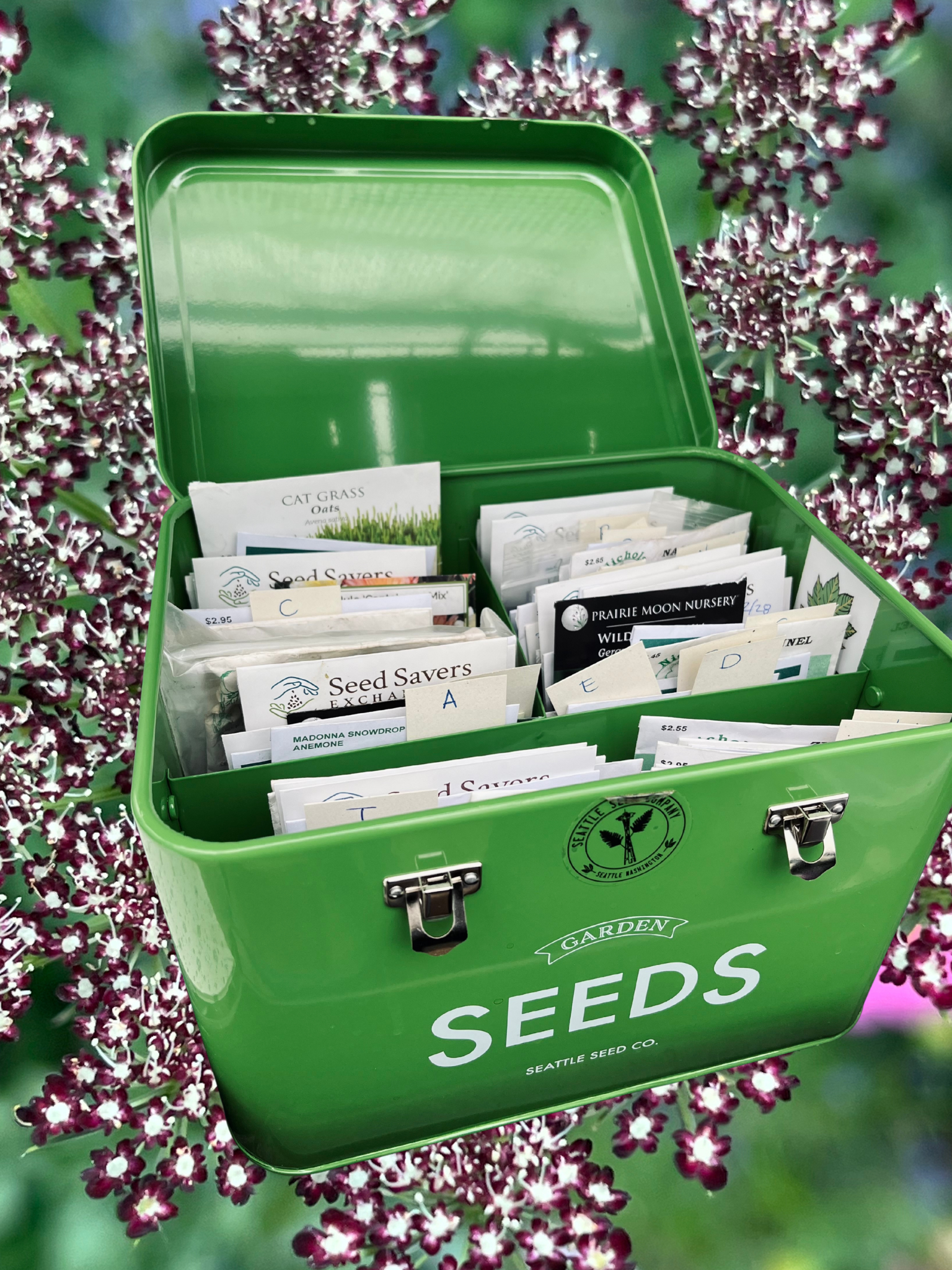
Seed Sowing 101
The other day, I threatened a couple of golfers at work that if they kept talking to me about golf, I’d start talking to them about gardening. It definitely worked, but they seemed to be under the delusion that I’d talk about fertilizer. Nothing against good fertilizer but, ew, no. It would be about seed sowing, duh.
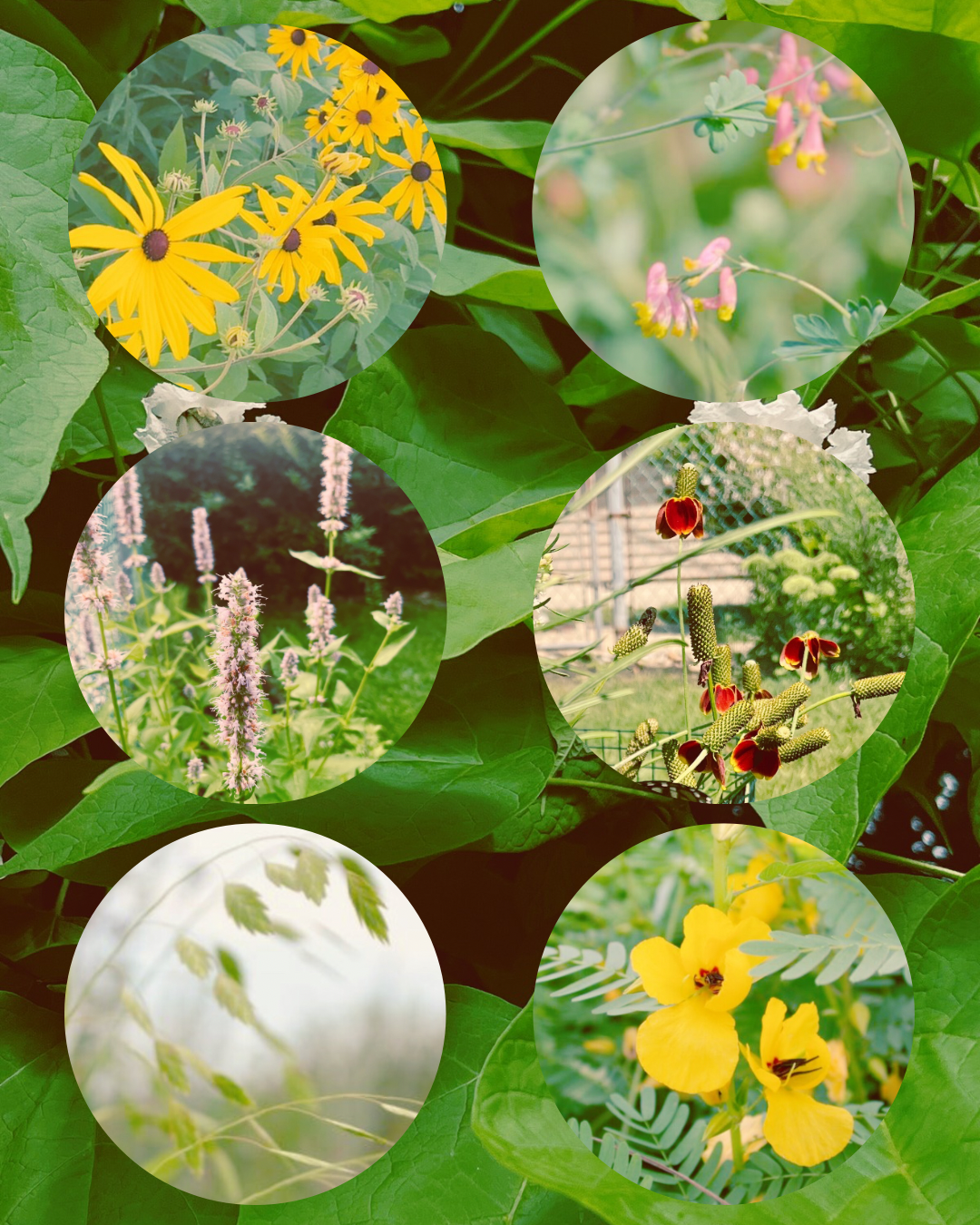
Seed Stratification: Part I
Many perennials and some annuals need cold, moist stratification to achieve germination. Boiled down, this just means copy Mother Nature. When a flower drops its seeds, it will often sit on the ground and refuse to come up until it’s been smacked silly with some brutal winter. Seems a bit masochistic to me, but whatevs.
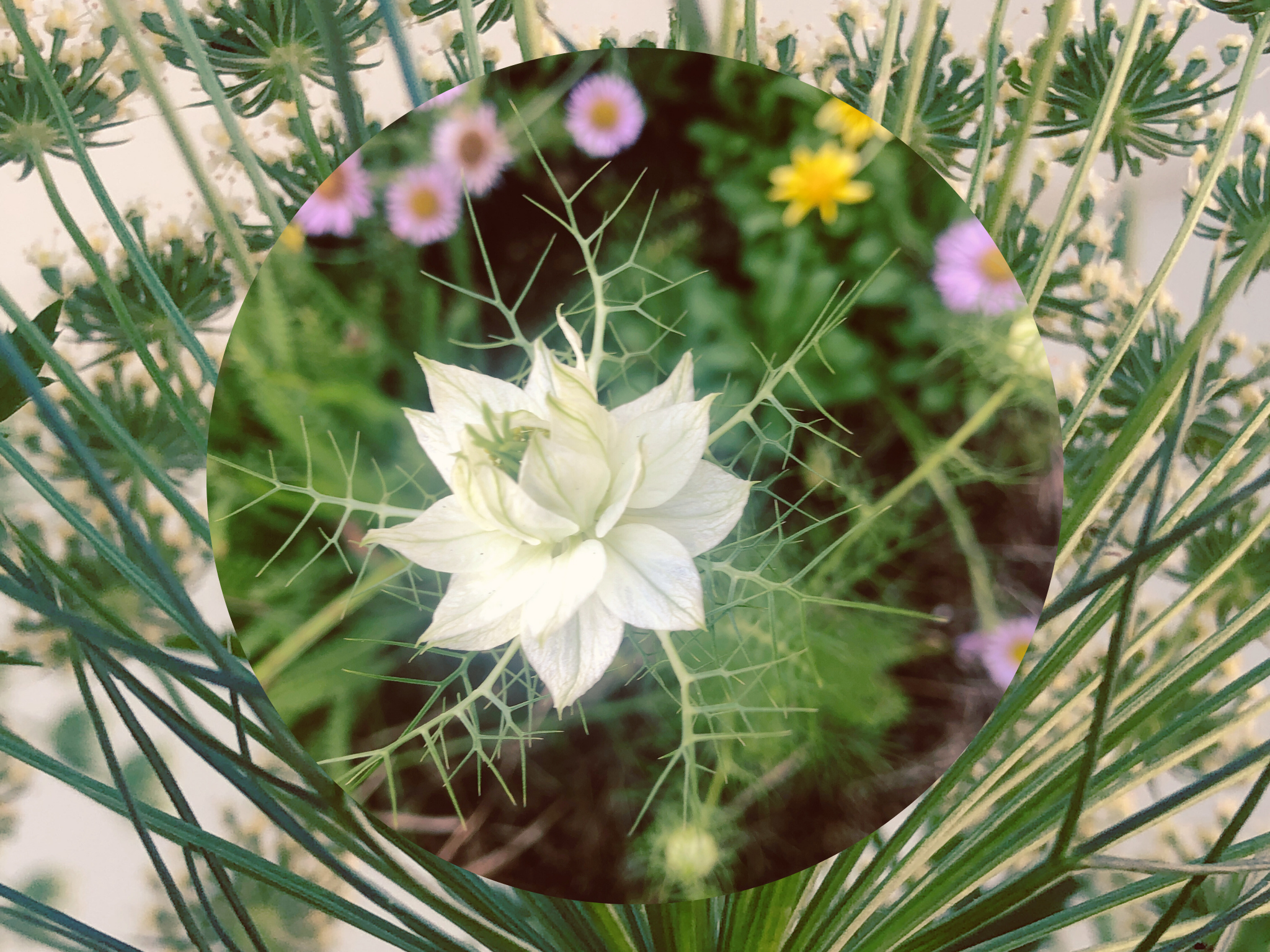
Seedling ID #3: Nigella (Love in a Mist) Sowing Difficulty Meter: 2/10
Nigella is also commonly known as Love in a Mist, which has to be in the top five best names for a plant. How apt and whimsical.