
Volunteer or Weed?
There’s a thin and fickle line between ‘volunteer’ and ‘weed.’ It’s defined by - and only makes sense to - the gardener.
How is the line drawn?
Is it based on their self-sufficiency? Both types of plants are self-sown and self-located. They both do their jobs well. They like the conditions you have to offer.
What about looks? A volunteer may be considered prettier than a weed. Though, what do I know, there was a time when native plants were considered weeds and look how pretty many of those are.
Mode of arrival? Volunteers often come from flowers - usually annuals - that the gardener planted and then they self-seeded. Often, the gardener is glad to see they proliferated on their own.
Weeds, on the other hand, often come from seeds out of a bird’s ass or a strong wind or by Hades’ imps. The gardener seemingly had no hand in their existence on the premises. That said, I have milkweed, ashy sunflower, and yarrow that I had no hand in planting, and I would never consider them weeds.
Could it be their spreading habit? So many weeds are thuggish, invasive, or noxious.
But that’s not completely fair. Again, ten or more years ago, many of our now-beloved natives were considered weeds, even if they didn’t have any of those nefarious traits.
It’s also not fair because there are well-loved garden-variety plants that should absolutely be considered weeds due to their thuggish and invasive habits. I’m looking at you lily of the valley, siberian squill, and butterfly bush. These can and will wreak havoc on our important native plant populations.
You will often see lily of the valley, for instance, at the nursery, but you’d never see dandelions. They are both non-natives and can be invasive. Dandelions have the redeeming quality of being a wonderful child’s play thing and completely edible. Dandelion root tea, for instance, has many health benefits. They are also pretty cute if you allow yourself to get past their bad reputation.
Lily of the valley? They sure are cute, but that’s about it. They are also highly toxic and total thugs. Those last two qualities outweigh the first for me; I can find other cute plants anywhere. Alas, the late Queen of England adored them. And since trends trickle down, they are wanted by many. The common vernacular would never allow them to be labelled a ‘weed’ - even if they should be.
So what is it, then?
If it is not purely their self-sufficiency, or looks, or method of arrival, or spreading habit, what is it? What could possibly be the dividing line between a volunteer and a weed.
Y’all. It’s want.
As I said, it comes down to the gardener. When the gardener decides they’re wanted and allowed and appreciated, they are volunteers. If they are maligned persona non grata, they are weeds.
And of course, gardeners everywhere will have their own thoughts. A weed in one garden is a volunteer in another. And vice versa.
What is certain is that they will both always exist in the garden.
The Song of the Volunteer
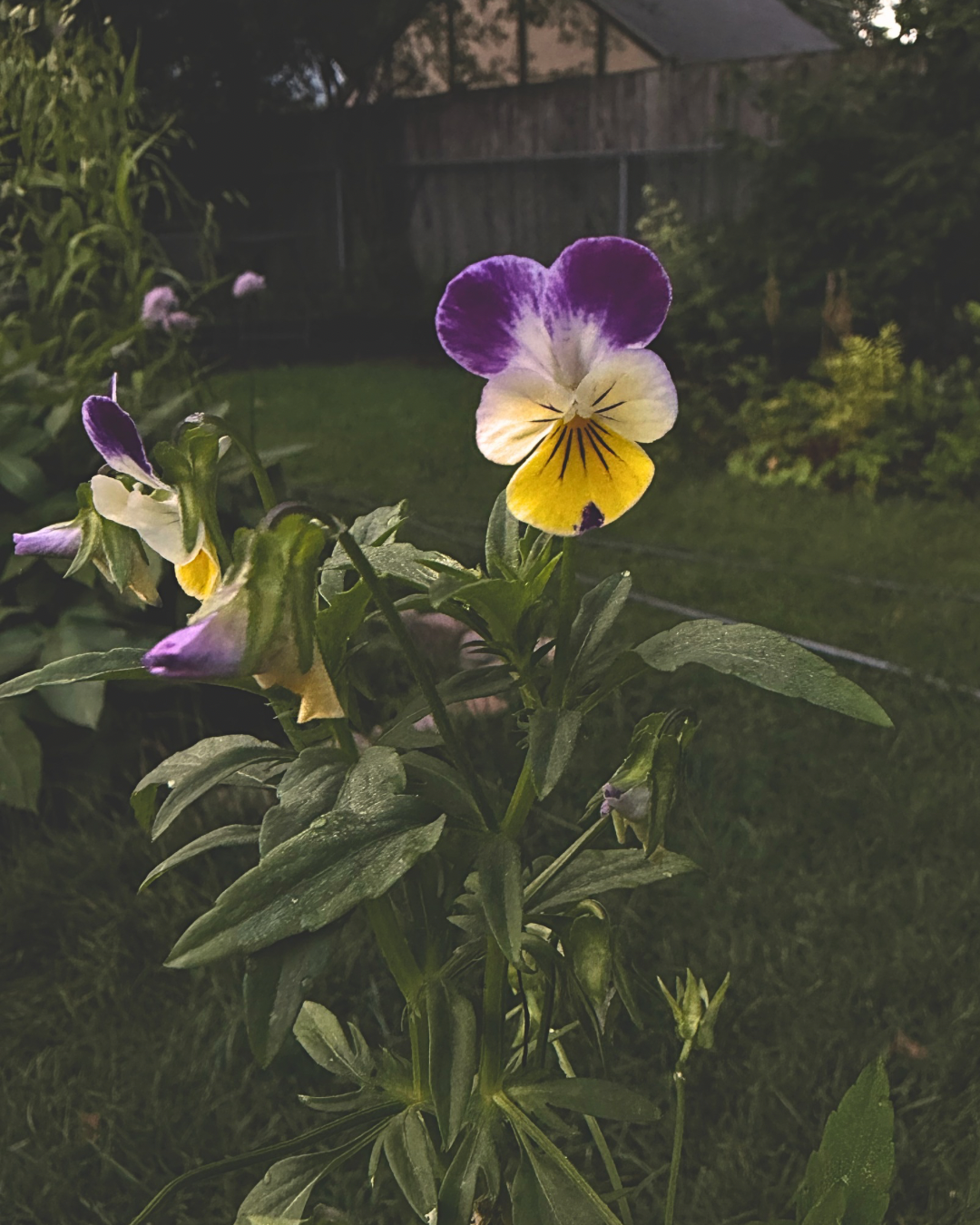
My army of volunteers help complete the garden, especially where I didn’t know it needed help. They have a tricksy way of filling in the gaps. Without them, I’d also be missing delicious pops of colors. And I wouldn’t feel the excitement of their surprise appearances.
I planted these one year and now I happily get them every year:
verbena bonariensis
violas
larkspur
german catchfly
partridge pea
pale corydalis
cilantro
false queen anne’s lace
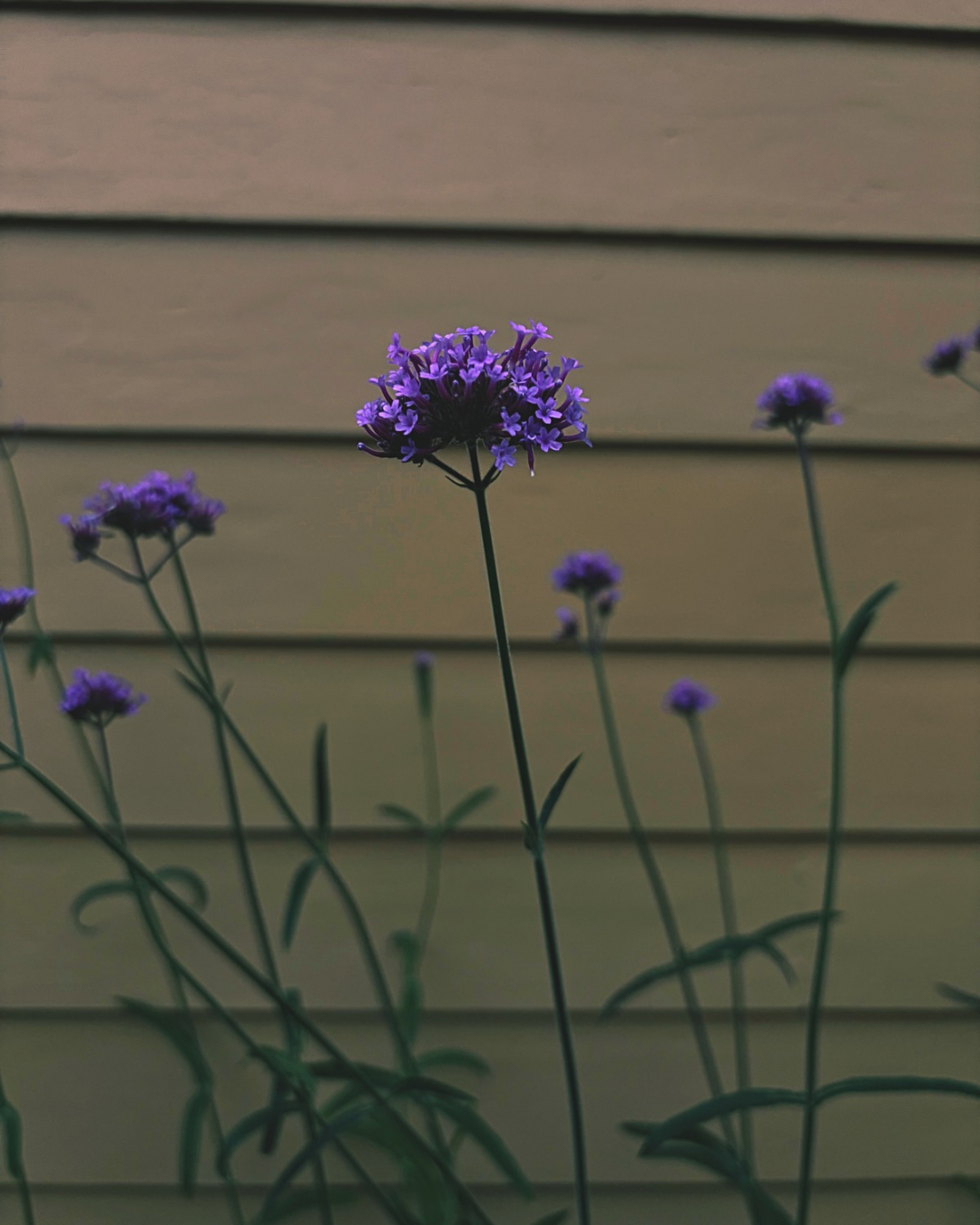
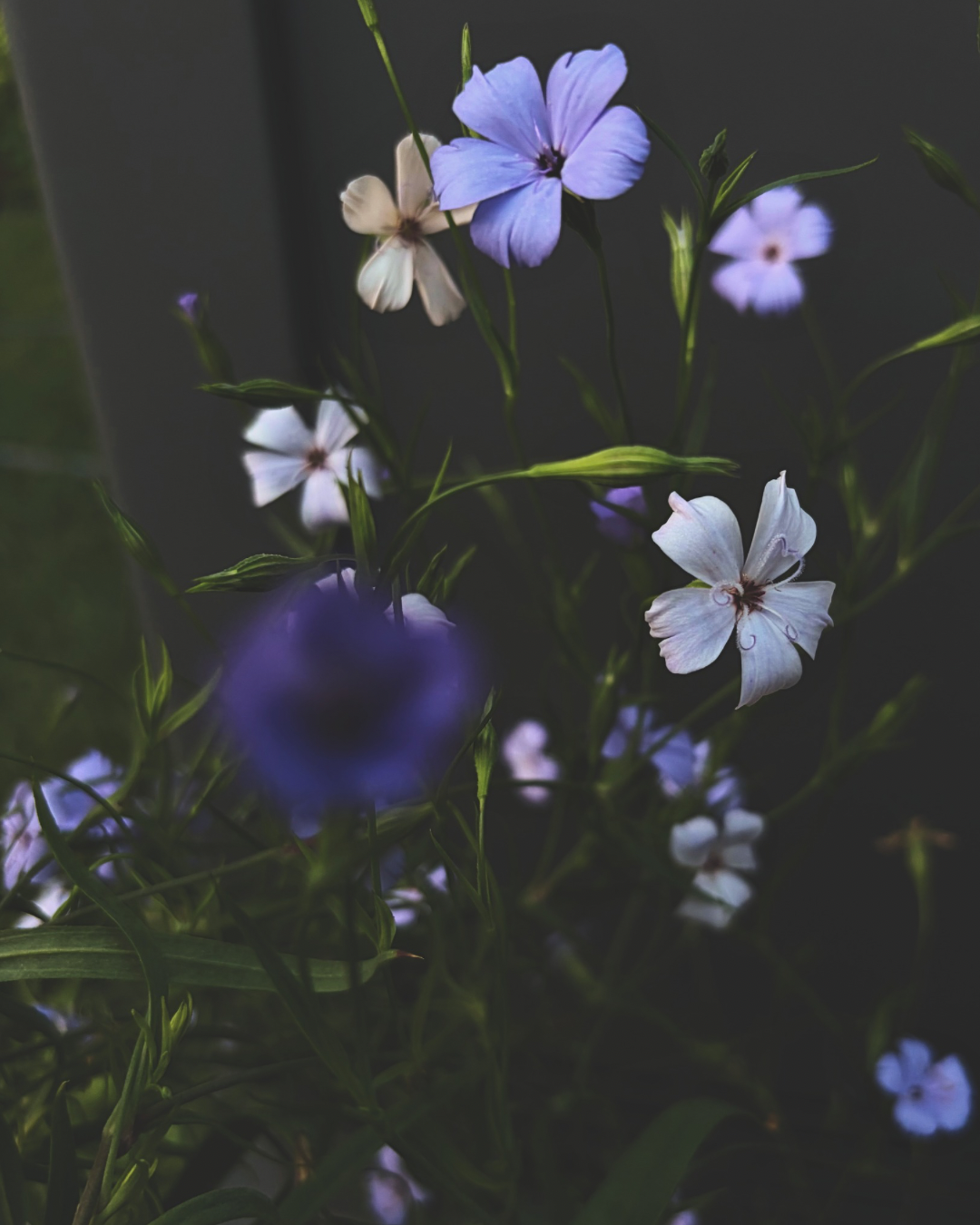
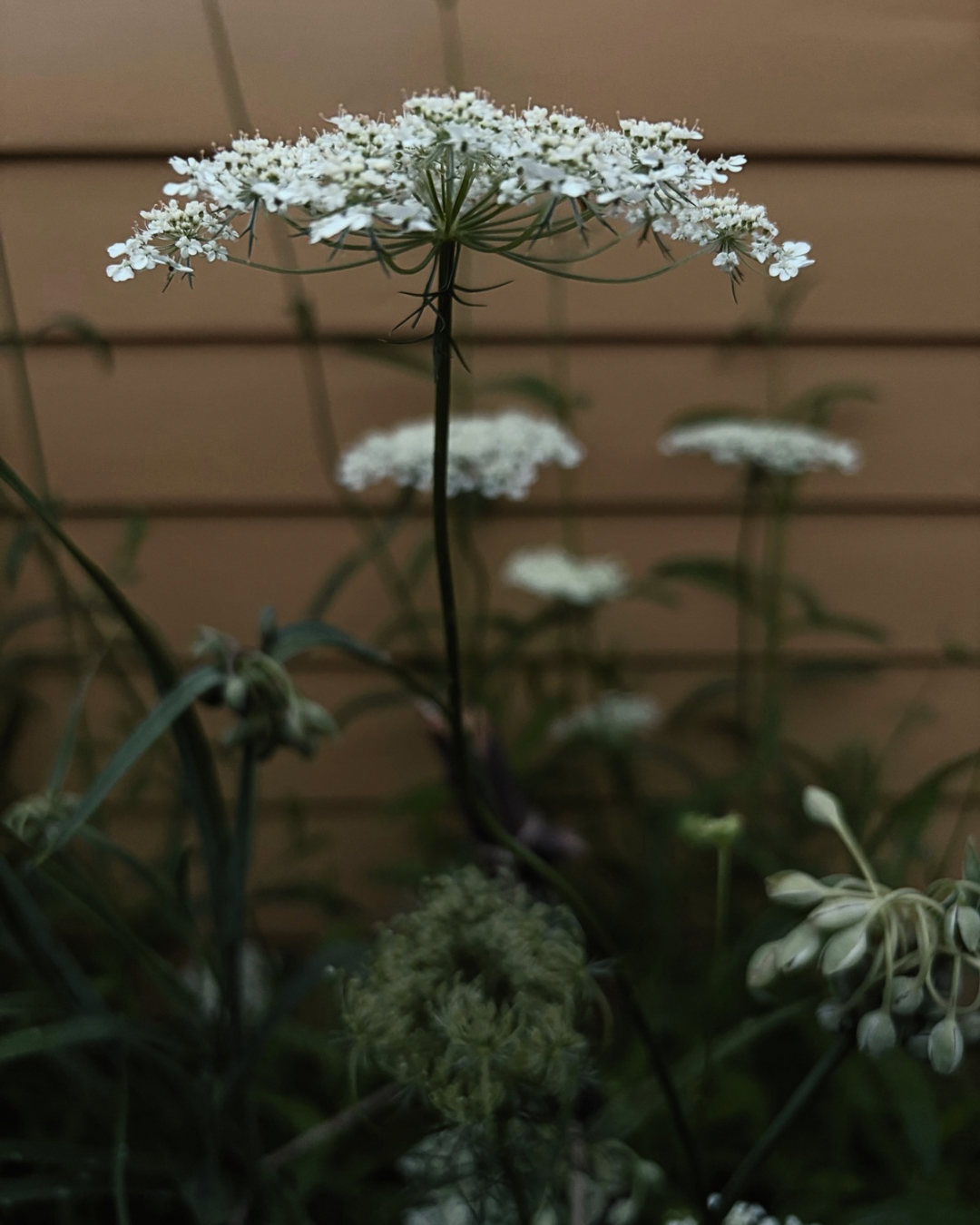
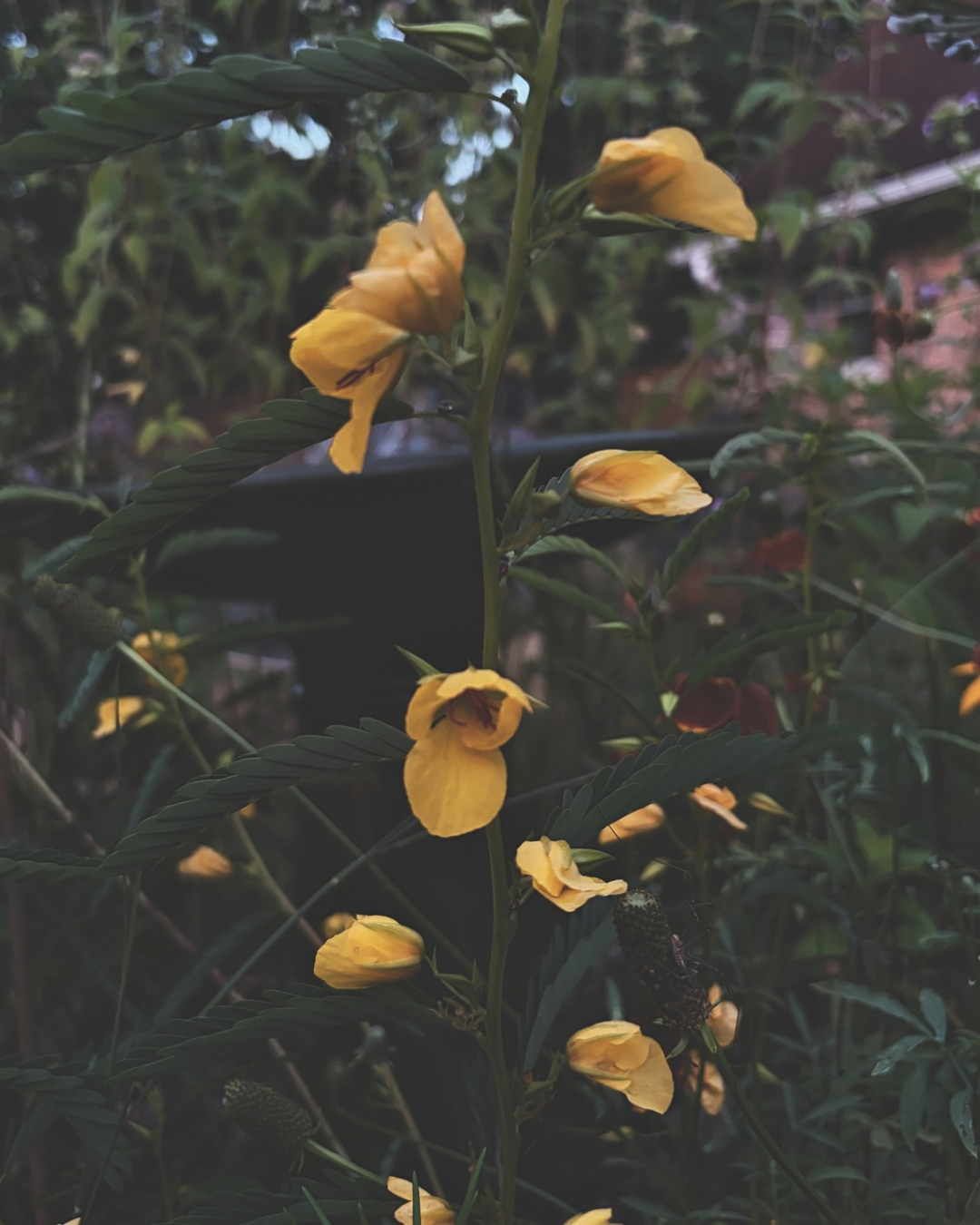
This year, I’ve noticed a couple of perennials popping up in new places:
golden alexander
verbena hastata.
A volunteer is part of gardening joy. Generally, they will always be welcome. The only caveat is when the gardener allows a volunteer, it also comes with the responsibility of keeping them under control. Allow them to take over, and they will. Pulling a volunteer sounds brutal, but it must be done.
The Tragedy of Weeds
Before I ever think about pulling an unknown weed, I always investigate it. The Seek app is my go-to. It’s how I learned about lambsquarter. Which turned out to be a wonderful weed to have around if I get hungry. Also, this spring I saw a farmer selling it at the farmer’s market. He was touting its health benefits. Like…whoa. Good for you, Henry!
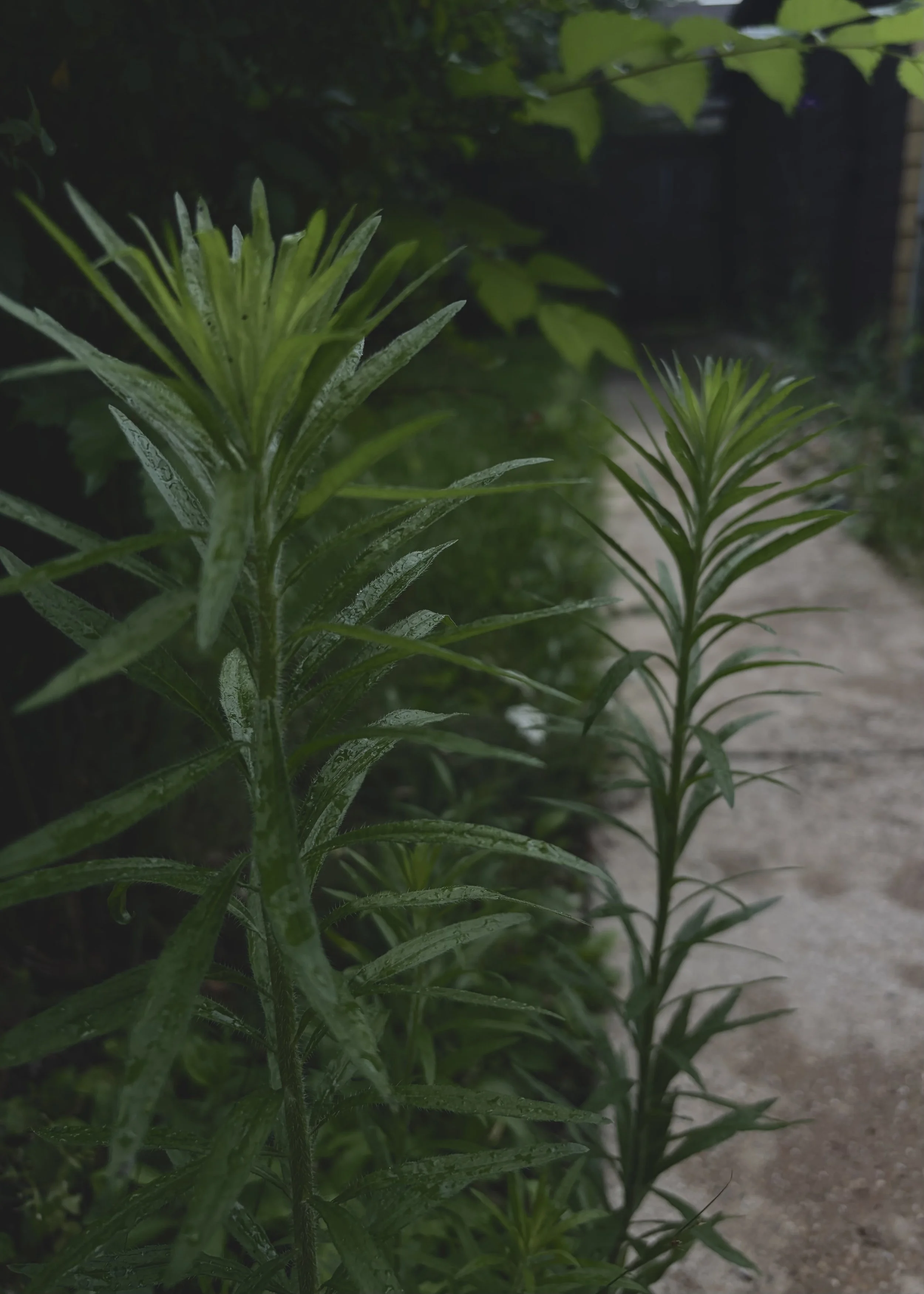
I have several horseweeds (see pic) around my house. Right now, they look cute and inviting. But I don’t like the idea of the potential for a 6 foot behemoth. And I know they’re native, but man are they ugly. Luckily my research says they are highly prolific and potentially problematic. So…when I pull them, I will not feel bad.
But I have bigger problems than that. Lesser celandine, anyone? Cute, but the worst; basically Regina George. One day at our house in Portland, OR, I was actively and painstakingly digging out these assholes. I was taking care to collect as many of the little tuber turds as I could. A couple walking by, interrupted my work with a significant greeting, then proffered a passionate lecture about how invasive they are and to please keep them under control ... as I was doing exactly that. People. Am I right?
I also have that horrible creeping charlie (ground ivy). I hope to dislodge that proliferance with a brick patio right on top of its preferred scrambling ground.
Otherwise, it’s just the standard clovers, thistles, dandelions, plantains, etc. Also purslane, which I love to munch on. If I let these bother me, I suppose I’d then be giving myself a lot more work.
As it is, It’s a fairly pronounced, “meh” from me. I am mostly unbothered.
But you know what my biggest ally is in weed prevention? Full garden beds. Either there won’t be any room for them or you won’t be able to see them under all your plants.
How to Decide.
It should be fairly clear by now that you, the gardener, decide the fate of the plant that popped up on its own.
Aren’t sure if you want it or not? Research is your best tool. Download the Seek app to figure out what the plant is if you don’t already know. Figure out if:
it’s native or introduced
invasive
good for pollinators
if you like the look of it
does it work in the garden?
These are your guiding questions. If these considerations are important to you, they will influence how much you want the plant. The more you learn about the plant, the more you can come to appreciate or malign them.
What you should never do is watch an ad for RoundUp, see those dandelions getting sprayed, and blindly follow suit. Those ads have created a need that doesn’t exist. A dandelion is not an evil weed because a poison company tells us that it is.
Let that decision be yours.