
When annuals, weeds, and self-seeders are the real heroes …
It takes two years for a perennial bed to begin to reach its potential. I’m not waiting that long for a beautiful garden. Cue these badasses.
It’s July, and I’m staring down a weeks-old garden bed. I scratch a mosquito bite feverishly while a bead of sweat trickles down my temple. My eyes fixate on the voids between plants.
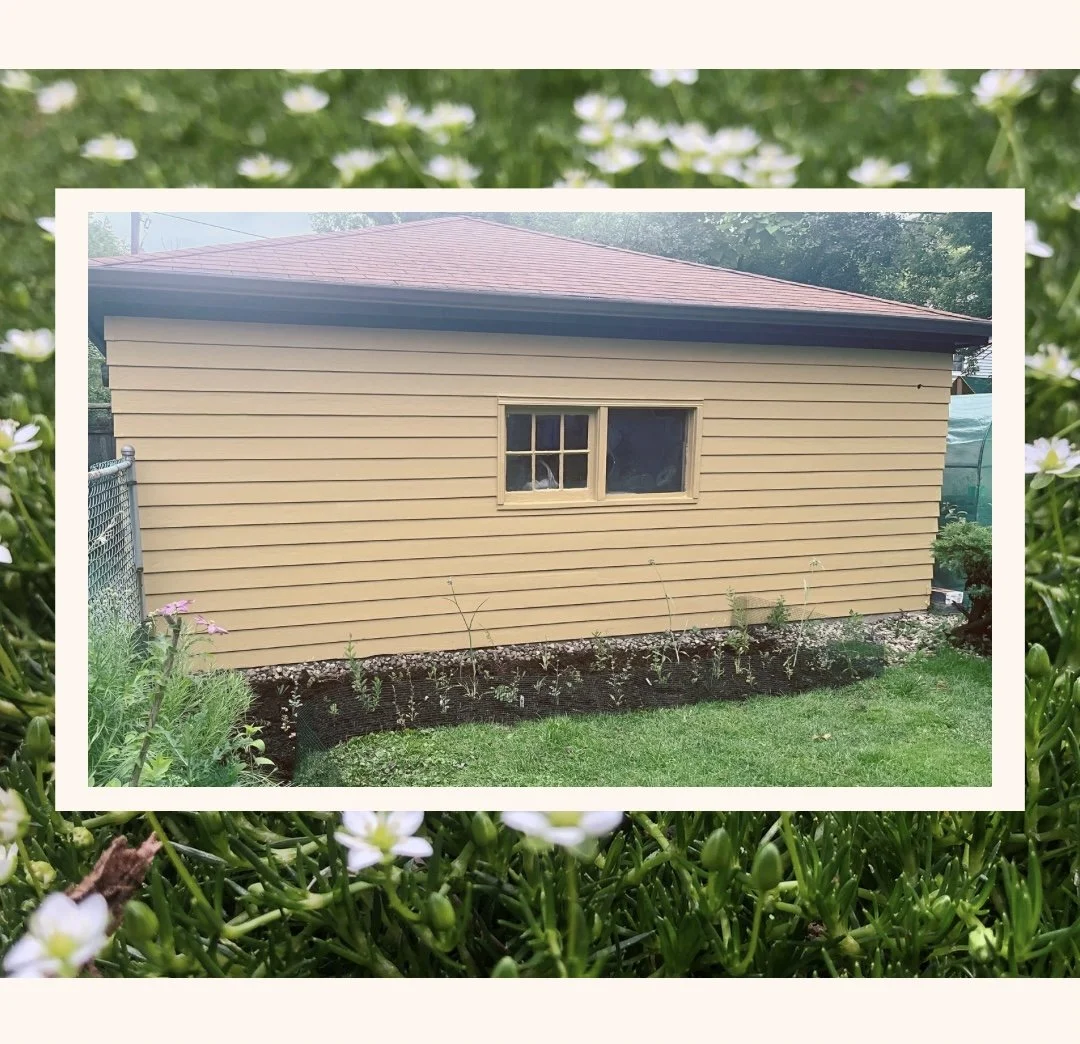
This is not the Japanese gardening philosophy of ma—the artful use of negative space—at play. No, no. This is just…blah.
It’s the frustrating reality of starting with young perennials, combined with the tireless efforts of my arch-nemesis: f*cking rabbits, razing wee plants to the ground with their adorably fuzzy chompers.
The mosquito bite gets itchier. The sweat beads multiply.
This is a new bed of native prairie perennials. Logically, this is exactly how it’s supposed to look right now—a dull brown canvas with a few hopeful smatterings of green.
But I am a visually sensitive individual raised by artists, and my eyeballs are offended.
Is that dramatic and unreasonable? Absolutely.
Am I going to let the bed be and practice the patience I’m trying to teach my three-year-old? Absolutely not.
The Constraints of a New Perennial Garden Bed
Here are the facts:
There’s no room for more perennials. The ones I planted will expand every year and need that space.
Annuals would solve the problem, they grow fast and fill gaps, but…
I hate buying annuals. An $8 plant for one season? I think not. And the $5 six-packs are basic bitches that do not belong in a prairie garden bed (no offense, petunias -you have your place, dears, this just isn’t it).
So. What are my options?
Filling Gaps Without Buying New Plants
Turns out, I had a few.
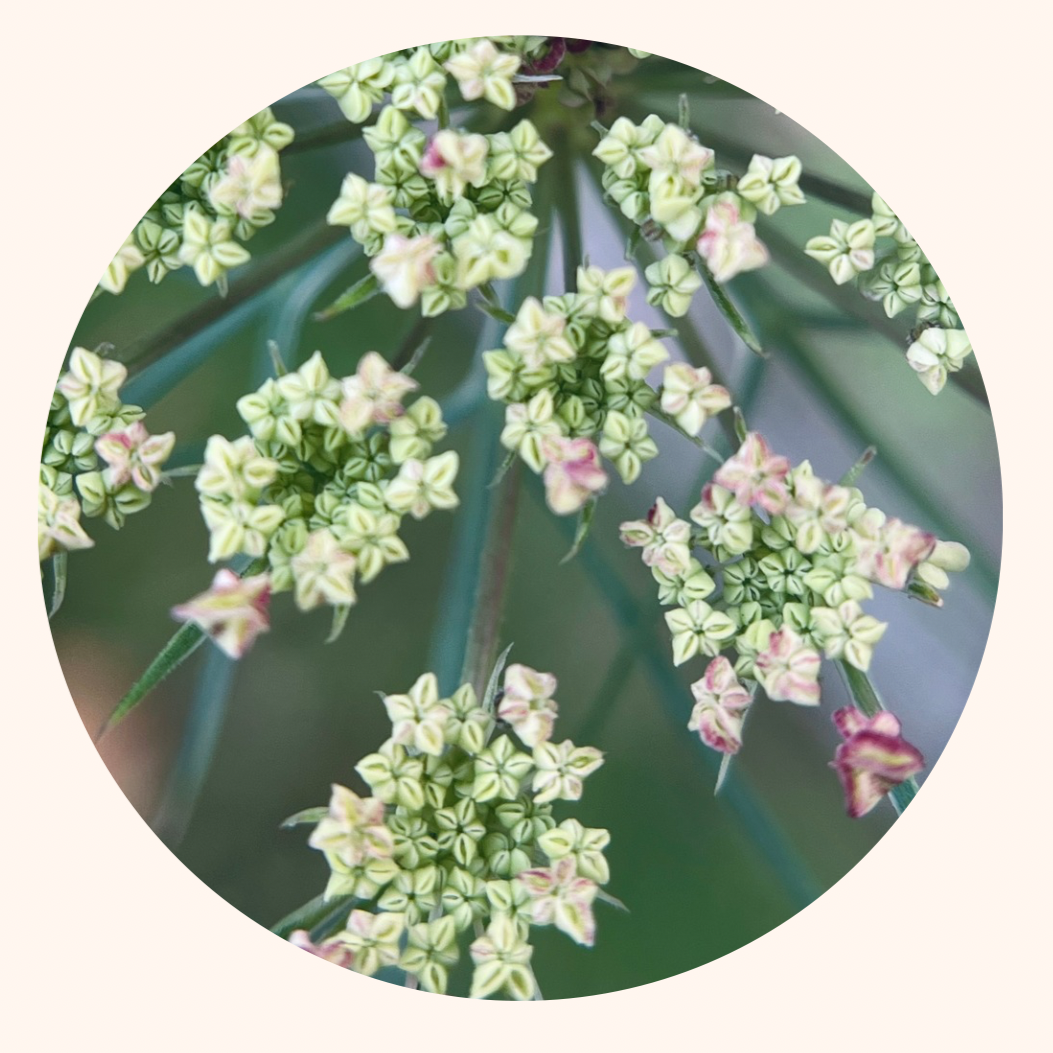
1. Use leftover annuals grown from seed
I had extras from spring sowing (Queen Anne’s Lace and Basket Flower) so I dotted those around the perennials.
2. Let some “weeds” stay
I allowed a few opportunistic plants, like common lambsquarters, to remain and fill space.
3. Deploy the secret weapon: self-seeders
If a garden were a business, self-seeding plants would be the repeat customers who never complain and always want more.
“Why yes, I love your store and everything it offers,” they’d say.
Until, of course, you have to enforce a strict “two per customer” policy.
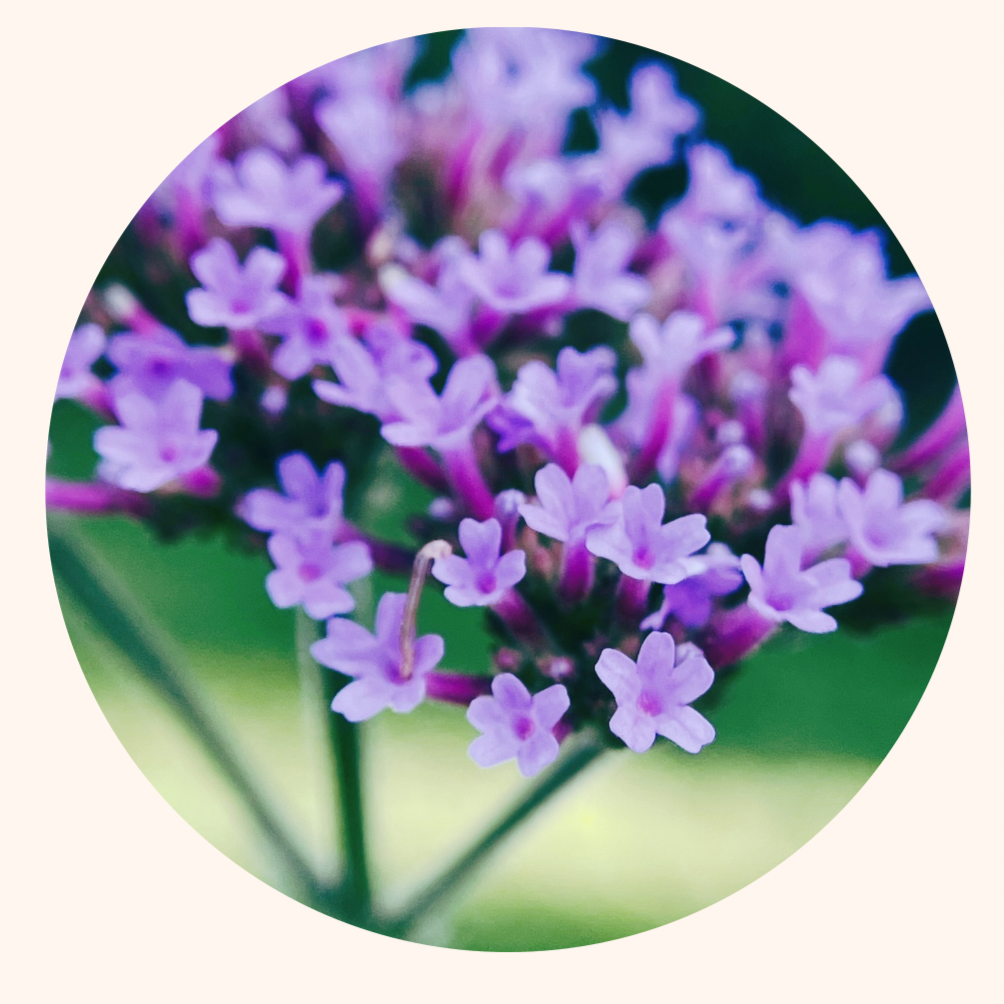
Take Verbena Bonariensis. She’s an annual, but she happily drops seed that pops up reliably—and randomly—the following year. Last season, I rehomed her from patio cracks and walkways to places that actually needed her.
Left unchecked, she’d absolutely take over. Boundaries are important.
But for filling blank spaces? I want to hug her all over.
So why not do all of it?
And so I did.
What Worked (and What Didn’t)
Was it perfect? Of course not.
The Verbena bonariensis developed powdery mildew by mid-September.
The Basket Flower’s short bloom window was well…short.
The lambsquarters became too much.
Half the Queen Anne’s Lace was devoured by imps—sorry, rabbits.
But that’s gardening.
The bed looked much better than it would have if I’d done nothing. Monarch butterflies were devoted to the Verbena. I got to snack on the lambsquarters. And with luck, I’ll have self-seeded Queen Anne’s Lace next year—maybe the hobgoblins will eat that instead of my asters.
The Takeaway
When starting a new garden bed—especially with native perennials—plan to include annuals for the first year or two. Sow them intentionally in spring and let them do the visual heavy lifting while your perennials establish. There are a lot of native annuals to choose from, but classic cottage queens will do the trick, too (I’m a sucker for Cosmos).
Your future self (and your eyeballs) will thank you.
Happy gardening, y’all 🌱
P.S. Pro-tip: plop some veggies in there, too! Chard among perennials? Practical, edible, and beautiful? Get the fuck out!